Choosing the right marble temple for your home is an important decision when creating a peaceful and beautiful place of worship. A well-designed mandir not only provides a dedicated space for daily prayers but also adds elegance to your home interiors.
A Vietnam marble temple is an attractive option for homeowners who prefer a bright white appearance, natural stone beauty, and elegant craftsmanship. Vietnam white marble is available in different varieties, with some offering a relatively uniform white surface and subtle natural patterns.
Whether you are planning a traditional marble mandir or a contemporary home temple, selecting the right marble is essential. Factors such as stone quality, colour, carving details, temple dimensions, budget, and maintenance requirements should be considered before making a purchase.
In this guide, we explore Vietnam marble temple designs, their features, benefits, price factors, maintenance requirements, and differences between Vietnam white marble and Makrana marble to help you make an informed decision.
What Is a Vietnam Marble Temple?
A Vietnam marble temple is a home mandir or worship structure crafted using natural white marble sourced from Vietnam. This marble is appreciated for its bright white appearance and the elegant finish offered by selected varieties.
Vietnam white marble can be used to create different temple styles, including traditional carved mandirs, contemporary designs, decorative pillars, ornamental arches, and customised marble structures.
Depending on the selected grade, the stone may feature a relatively consistent white colour or subtle natural variations.
Its appearance makes it a suitable consideration for homeowners looking to create a clean, elegant, and visually appealing worship space.
Key Characteristics of Vietnam White Marble
Before selecting a Vietnam marble temple for your home, understanding the characteristics of the stone can help you make a better decision.
1. Bright White Appearance
Certain varieties of Vietnam white marble feature a bright white colour that creates an elegant and peaceful appearance. This makes them suitable for temple designs where a clean white finish is preferred.
2. Natural Stone Patterns
Like other natural marbles, Vietnam white marble can have variations in colour, texture, and pattern. The actual appearance depends on the selected variety and grade.
3. Elegant Finish
Vietnam white marble can be polished to achieve a smooth and refined surface, enhancing the overall appearance of a home temple.
4. Decorative Applications
Suitable grades may be used for carved pillars, decorative panels, arches, and selected ornamental temple components.
5. Traditional and Contemporary Appeal
Its white appearance can complement both traditional Indian mandir designs and modern home interiors.
Why Choose a Vietnam Marble Temple for Home?
A marble mandir should complement your home’s interior while creating a peaceful environment for worship. Vietnam white marble offers several aesthetic possibilities for customised temple designs.
1. Elegant and Premium Appearance
One of the main reasons homeowners consider a Vietnam marble temple is its bright white appearance. It can create a sophisticated and graceful look in living rooms, dedicated prayer rooms, and other worship spaces.
The natural white finish also works well with traditional decorative elements and contemporary interior styles.
2. Suitable for Different Temple Designs
Vietnam white marble can be considered for different mandir styles, depending on its grade and carving suitability.
Some popular options include:
- Traditional Hindu marble mandirs
- Modern white marble temples
- Small marble temples for apartments
- Large decorative home mandirs
- Marble temples with carved pillars
- Customised marble temples with ornamental arches
3. Complements Different Interior Styles
White marble can complement a variety of interior colour schemes. Whether your home features wooden furniture, light-coloured flooring, or contemporary décor, a white marble temple can create an attractive focal point.
4. Customisation Possibilities
A customised Vietnam marble temple can be designed according to your available space, preferred dimensions, architectural style, and decorative requirements.
Depending on the selected stone and craftsmanship, manufacturers can create different patterns, borders, pillars, and ornamental features.
Popular Vietnam Marble Temple Designs for Home
Selecting the right temple design depends on your available space, personal preferences, and worship requirements.
Here are some design ideas worth exploring.
1. Traditional Vietnam Marble Temple Design
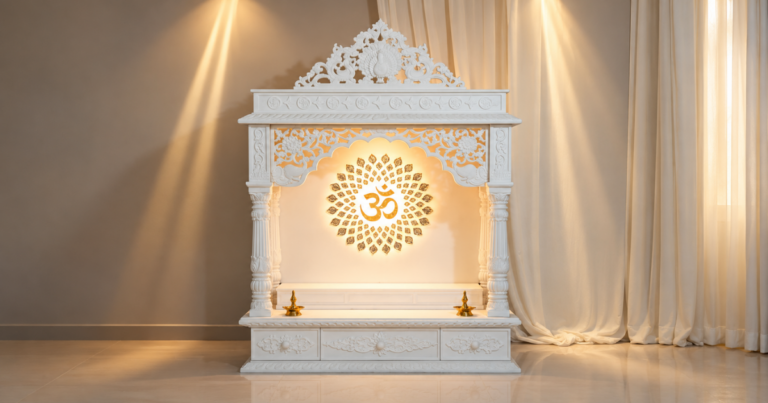
Traditional marble mandirs feature decorative pillars, intricate carvings, ornamental arches, and beautifully designed bases.
A traditional Vietnam marble temple can be considered by homeowners who prefer an elegant white appearance combined with classic Indian temple architecture.
2. Modern Vietnam White Marble Temple
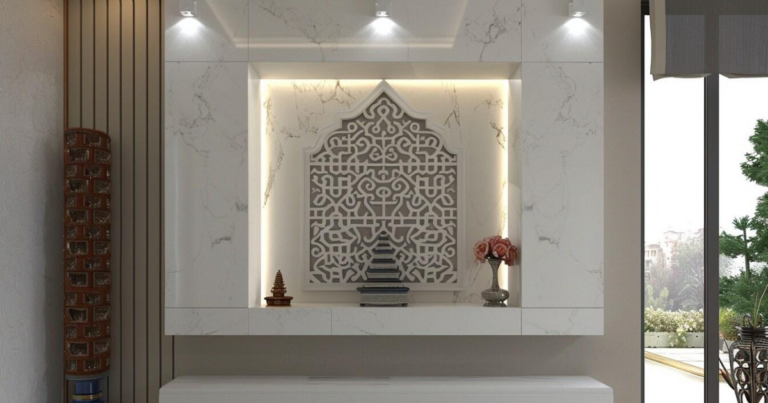
Modern marble temples generally feature clean lines, simple structures, balanced proportions, and minimal decorative detailing.
These designs are suitable for contemporary homes where simplicity and elegance are important.
3. Small Vietnam Marble Temple for Home
A compact marble mandir is a practical option for apartments and homes with limited space.
Depending on the design, it can include a small platform, decorative back panel, and a suitable arrangement for placing idols and worship essentials.
4. Carved Vietnam Marble Temple
Carved marble temples feature decorative floral patterns, ornamental borders, pillars, and arches.
The final detailing depends on the stone’s quality, carving suitability, and the experience of the artisan.
5. Customised Vietnam Marble Mandir
A customised mandir allows homeowners to select the size, shape, architectural style, and decorative elements according to their requirements.
Before ordering, discuss the design with the manufacturer and confirm that the selected marble is appropriate for the proposed carving and fabrication work.
Vietnam Marble Temple vs Makrana Marble Temple
Makrana marble and Vietnam white marble are two natural stone options that homeowners may consider when selecting a white marble temple.
Both materials have different characteristics, and their suitability depends on the selected variety, quality, intended application, and craftsmanship.
| Feature | Vietnam White Marble | Makrana Marble |
|---|---|---|
| Origin | Vietnam | Makrana, Rajasthan, India |
| Appearance | Bright white varieties available | White to warmer white shades |
| Natural patterns | Varies by grade | Varies by variety |
| Design suitability | Modern and traditional temples | Traditional and contemporary temples |
| Carving | Depends on stone grade | Depends on stone grade |
| Availability | Depends on imports and local stock | Available through Indian marble suppliers |
| Price | Depends on quality and import costs | Depends on variety and quality |
| Common applications | Decorative products and selected temple components | Temples, sculptures, and carved architectural elements |
Which Marble Should You Choose?
Vietnam white marble may be worth considering if you prefer a bright white appearance and a refined finish.
Makrana marble may appeal to homeowners who appreciate traditional Indian architectural heritage and natural stone craftsmanship.
Neither material is automatically better for every temple project. Inspecting the actual marble and discussing its suitability with the manufacturer is important before making a final decision.
Marble Carving and Craftsmanship
Carving plays an important role in the overall appearance of a marble temple.
Decorative pillars, floral patterns, ornamental arches, and detailed borders can transform a simple marble structure into an elegant worship space.
The quality of the final carving depends on several factors:
- Natural characteristics and quality of the marble
- Stone thickness and dimensions
- Complexity of the selected design
- Artisan experience and carving techniques
- Finishing and polishing quality
Suitable grades of Vietnam white marble may be considered for selected decorative and carved components.
If you are planning an intricately carved Vietnam marble temple, ask the manufacturer to show completed projects or sample carvings made from comparable stone.
This will help you understand the level of detailing achievable with the selected material.
Vietnam Marble Temple Price: What Affects the Cost?
The price of a Vietnam marble temple depends on the stone quality, design, dimensions, decorative detailing, and fabrication requirements.
There is no single fixed price because every customised temple project can have different specifications.
The following factors influence the overall cost.
1. Marble Quality
The selected variety, grade, colour consistency, surface quality, and natural characteristics can affect the material cost.
2. Temple Size
A small marble mandir generally requires less material and fabrication work than a large customised temple.
3. Carving and Decorative Work
Intricate floral patterns, carved pillars, ornamental arches, and detailed borders may increase the overall manufacturing cost.
4. Design Complexity
Traditional and highly customised designs may require additional planning, skilled craftsmanship, and fabrication time.
5. Finishing and Polishing
The type of finish, surface preparation, and final polishing also contribute to the total cost.
6. Transportation and Installation
Packaging, transportation, handling, and installation requirements should also be included when comparing quotations.
Buying tip: Request a detailed quotation based on your preferred design, dimensions, selected marble variety, and finishing requirements rather than comparing prices based only on the stone’s origin.
Durability and Maintenance of Vietnam White Marble Temple
A natural marble temple can maintain its appearance for many years with proper care and maintenance.
However, marble is a natural stone and may be affected by acidic substances, stains, scratches, and accidental impacts.
Follow these simple maintenance tips to protect your Vietnam marble temple.
- Clean the marble surface using a soft cloth.
- Use a suitable pH-neutral stone cleaner.
- Avoid acidic cleaning products such as vinegar and lemon juice.
- Wipe oil, water, and other spills promptly.
- Avoid abrasive scrubbers and harsh chemicals.
- Handle delicate carved components carefully.
- Follow the supplier’s recommendations regarding sealing, where applicable.
Regular cleaning and suitable care can help preserve the natural appearance and polished finish of your marble mandir.
How to Choose the Best Vietnam Marble Temple for Home?
Choosing a marble temple involves more than selecting an attractive design. The material, dimensions, craftsmanship, and installation requirements should all be considered.
Here are some important steps to follow before purchasing.
Step 1: Decide the Temple Location
First, identify where you want to place your mandir. Consider the available floor area, wall space, lighting, and surrounding furniture.
Step 2: Select the Temple Design
Choose between traditional carved designs, contemporary styles, compact mandirs, or customised temple structures.
Step 3: Inspect the Actual Marble
Check the colour, surface finish, texture, and natural variations of the stone. Whenever possible, inspect larger samples or full slabs under natural and indoor lighting.
Step 4: Verify Marble Quality
Ask the supplier to confirm the stone’s origin, variety, grade, and specifications. Do not rely only on photographs or general product descriptions.
Step 5: Discuss Carving Requirements
If you prefer decorative pillars, floral patterns, or intricate arches, confirm that the selected marble is suitable for the proposed work.
Step 6: Compare Complete Project Costs
Consider marble, cutting, carving, polishing, assembly, packaging, transportation, and installation expenses.
Step 7: Review Previous Work
Examine completed marble temples made by the manufacturer. This helps you assess carving quality, finishing, design proportions, and overall craftsmanship.
Is Vietnam White Marble Suitable for a Home Mandir?
Vietnam white marble can be a suitable option for a home mandir when the selected variety meets the project’s quality and fabrication requirements.
Its bright white appearance can complement both traditional and contemporary temple designs.
However, the suitability of the stone depends on its physical characteristics, natural flaws, dimensions, and intended application.
For a customised temple, always consult the manufacturer and inspect the actual material before finalising your order.
Conclusion
A Vietnam marble temple can be an elegant addition to your home, offering a bright white appearance and different possibilities for traditional and contemporary mandir designs.
From compact marble temples for apartments to customised structures with decorative pillars and intricate carvings, the right design can create a beautiful and peaceful worship space.
While Makrana marble is appreciated for its association with Indian architectural heritage, selected varieties of Vietnam white marble may appeal to homeowners who prefer a bright and refined white finish.
Ultimately, your decision should depend on the actual stone quality, design requirements, craftsmanship, budget, and maintenance needs.
At Aura Marble, explore options for Vietnam white marble temples, original Makrana marble mandirs, customised marble temples, and handcrafted marble products. Choose a design that complements your home and creates a beautiful space for daily worship.